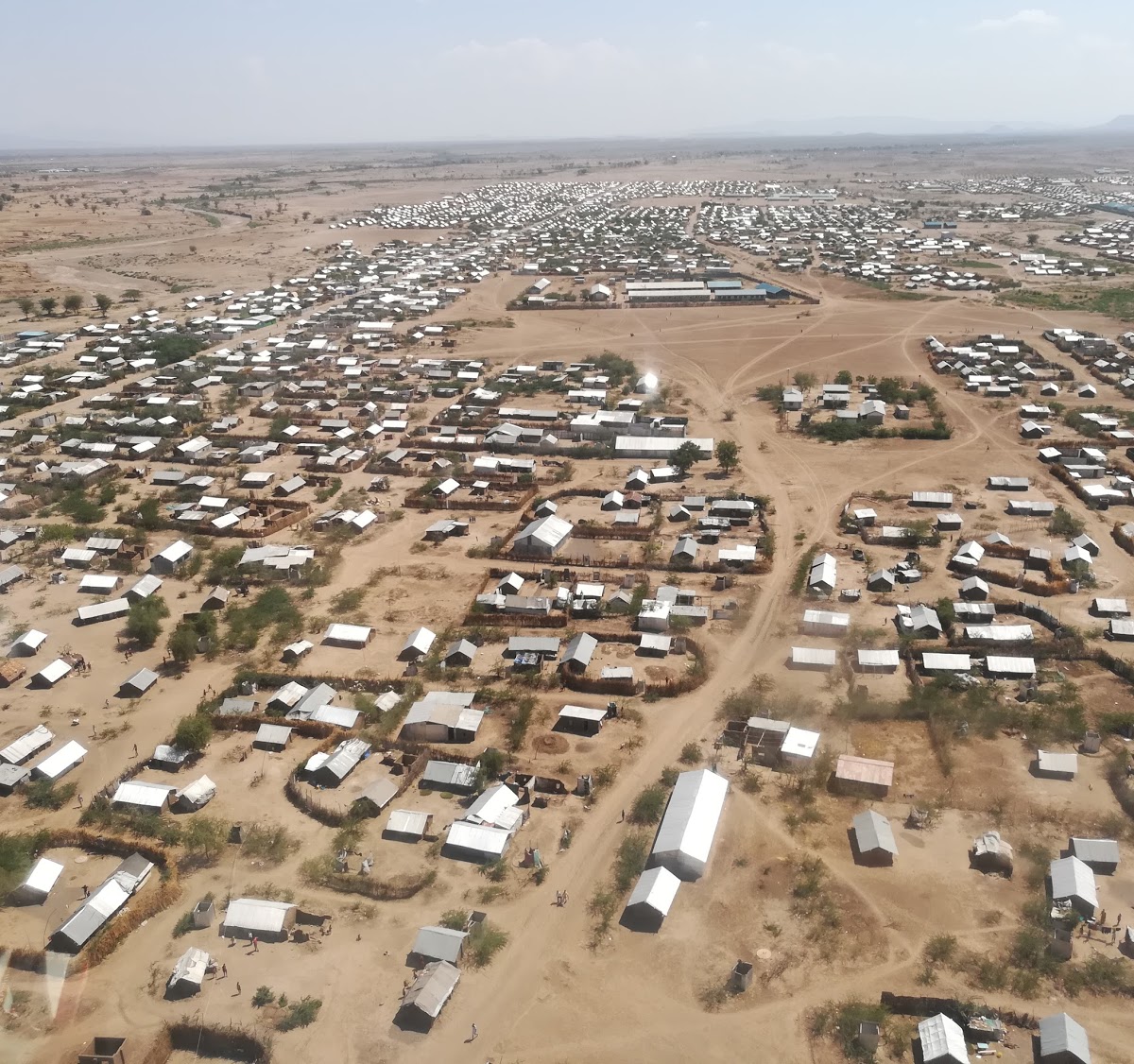
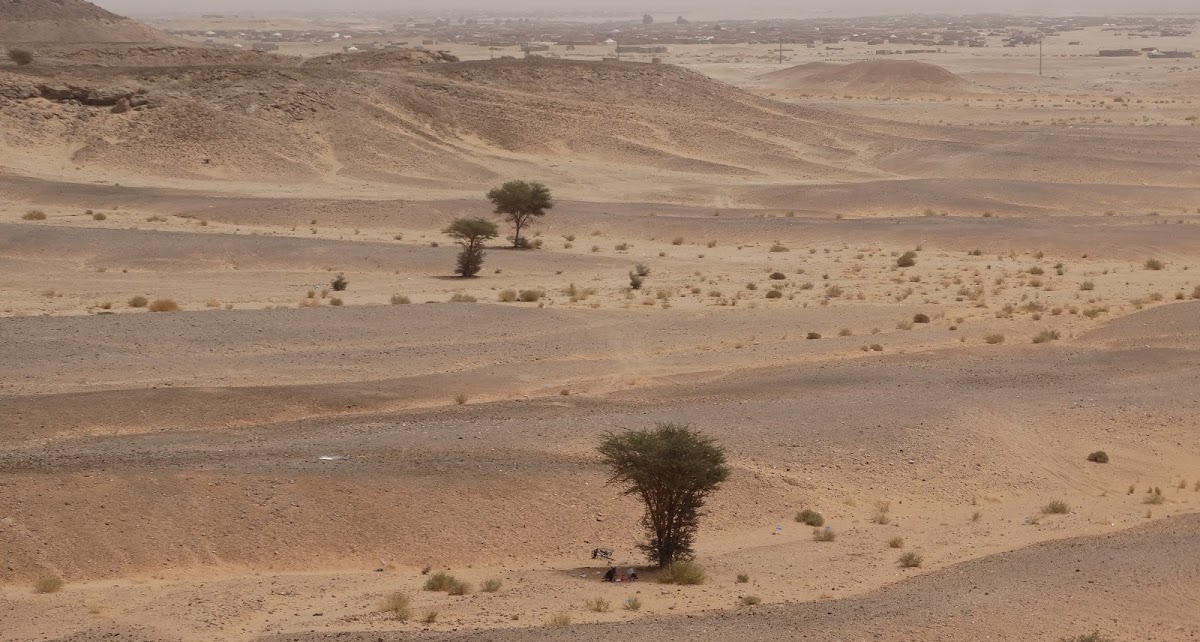
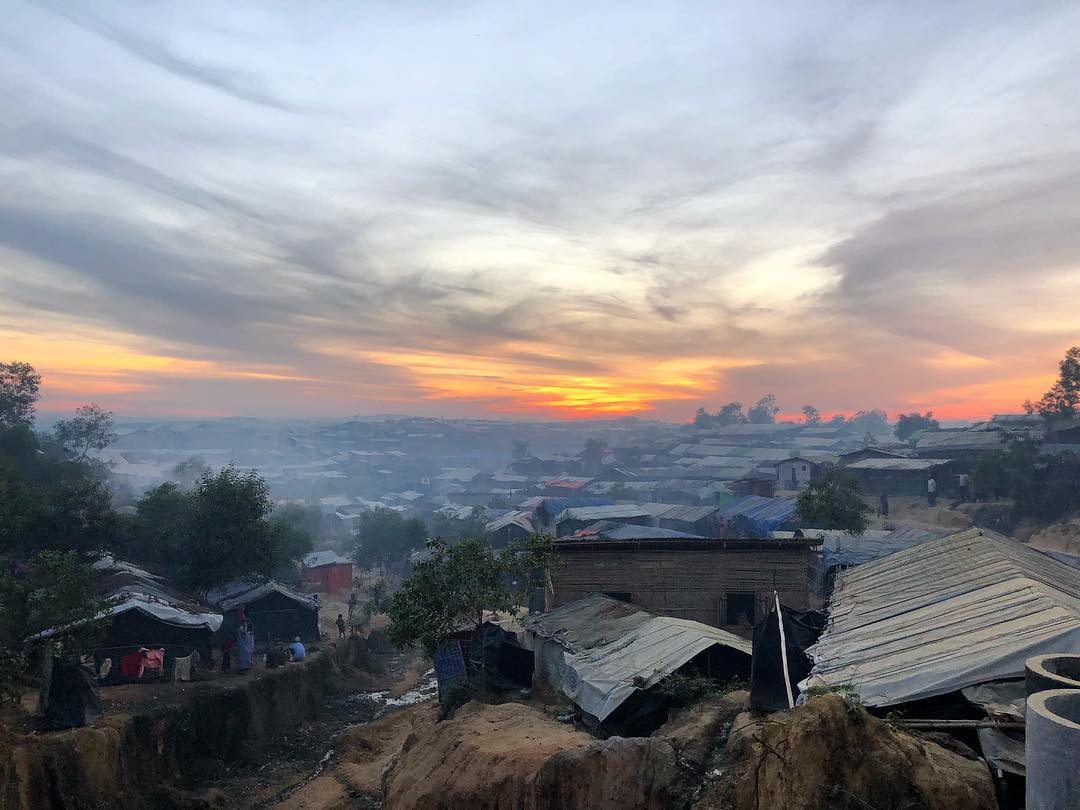
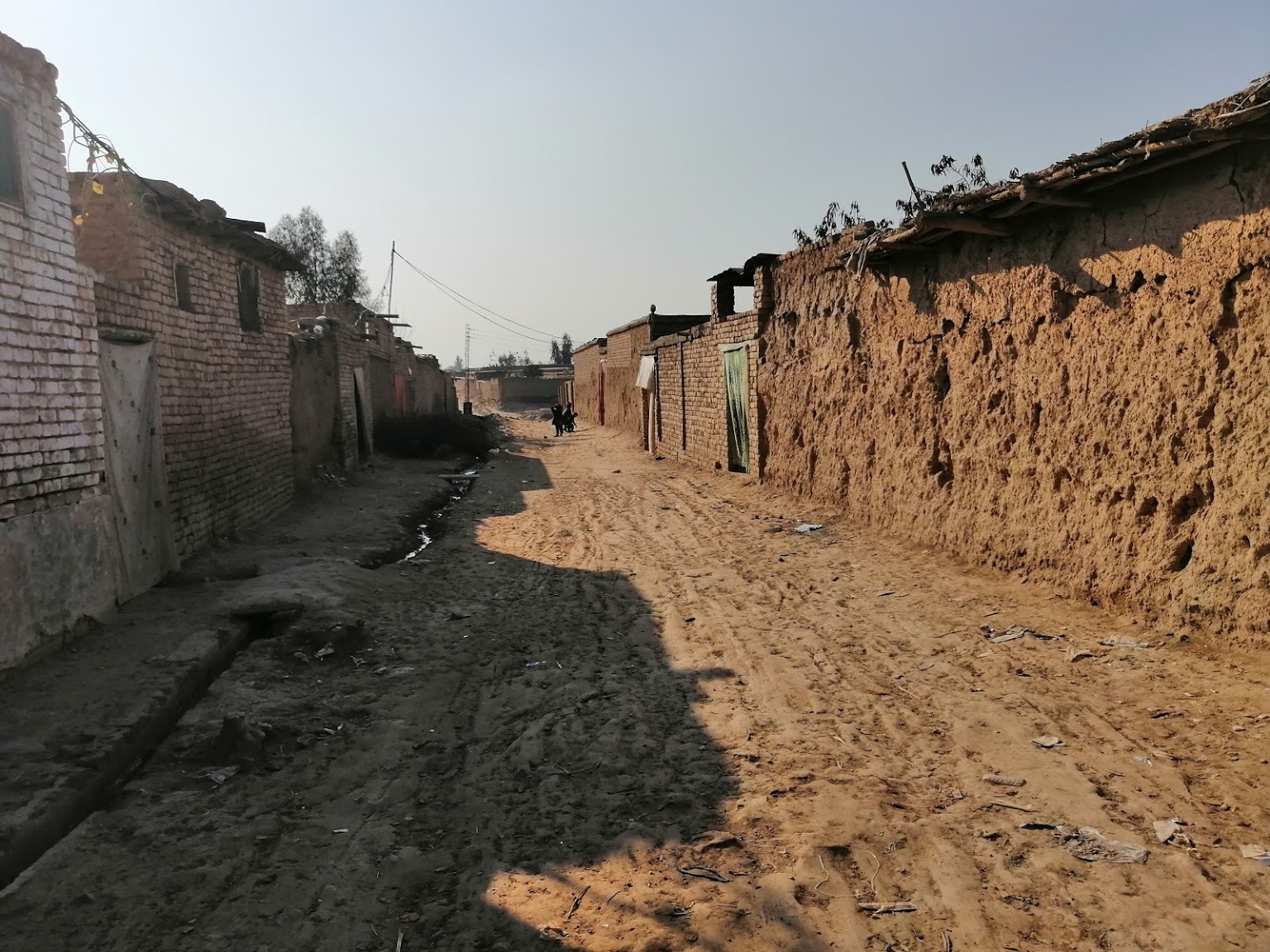
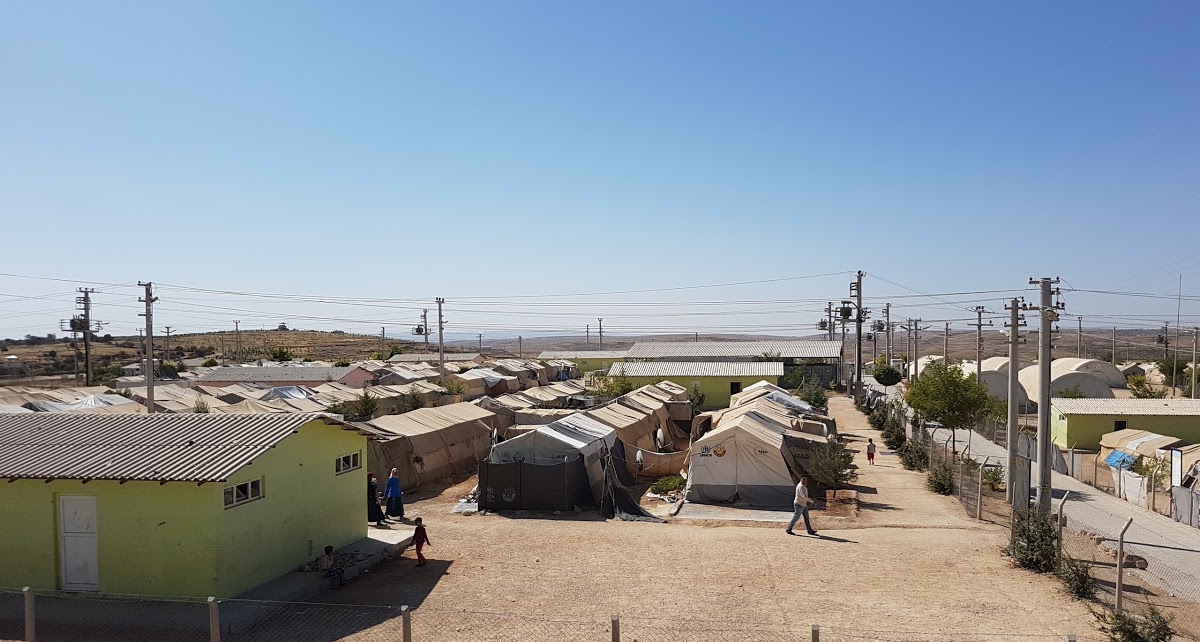
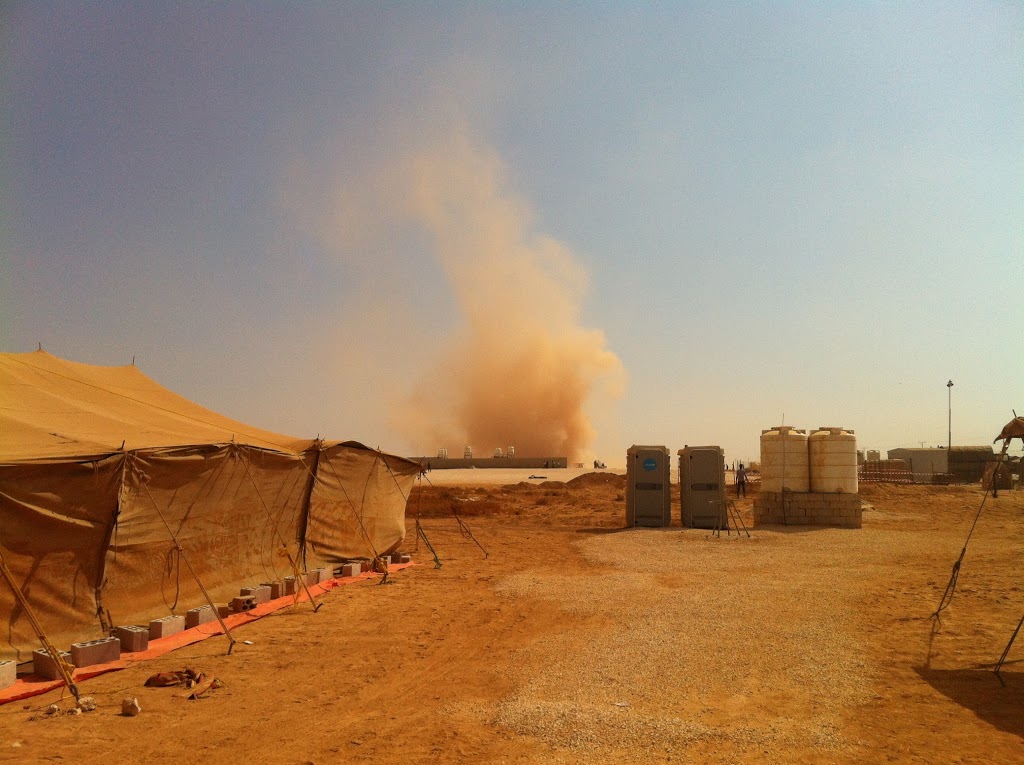
A vast number of refugee camps have been referenced on Google Maps over the years, enabling dwellers to upload comments and pictures from inside the camps. Using their smartphone, thousands of displaced individuals have left a trace of their existence on the platform, with the intent of reaching out to the outside world, hoping that someone, somewhere, would notice them.
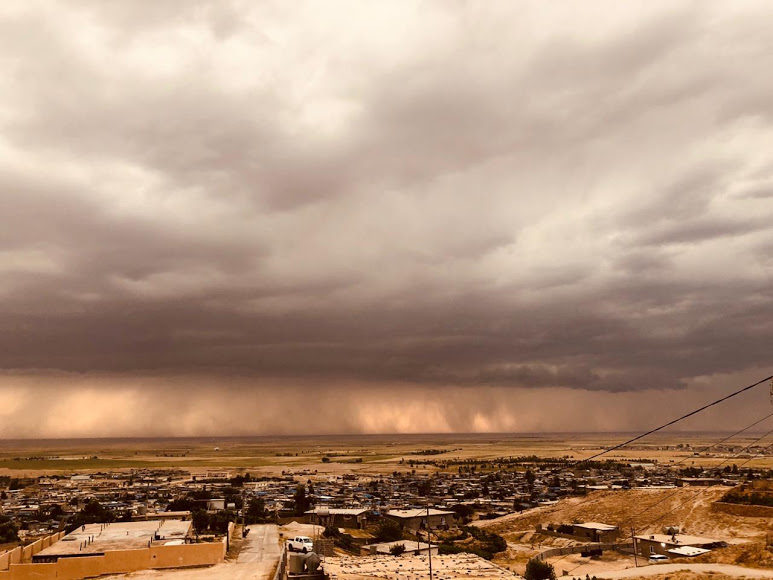
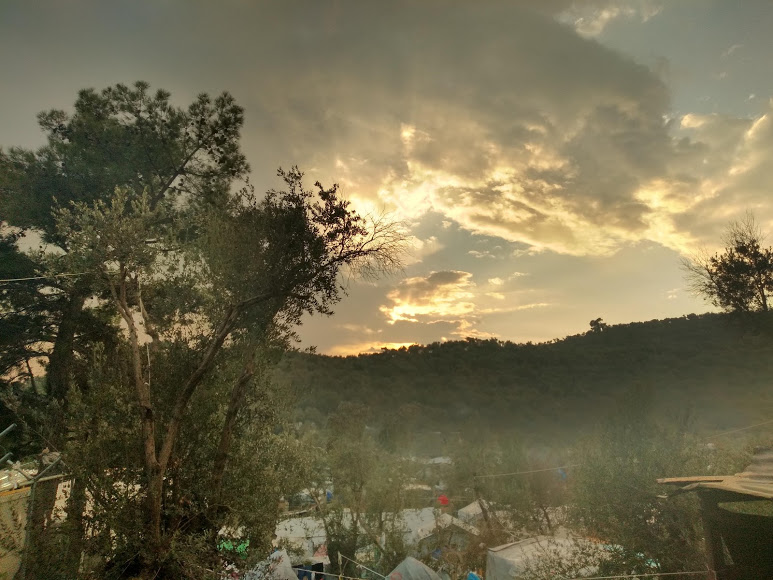
They have documented their lives in the camps, uploading photographs of family members, rainy days, comforting meals, pets and cattle, sunsets, and – maybe the most telling of all – themselves.
They have posted comments as prayers, as political pamphlets, as cries for help, as denunciation of living conditions, as testimonies of their time in the camps.
When the infamous camp of Moria, in Greece, was destroyed by a fire in September 2020, Google Maps marked the location as “permanently closed,” blurred the aerial image of the burnt camp, and deleted the hundreds of comments that had been posted since 2015.
This digital exhibition is an attempt to archive fleeting moments, suspended in time, forever.
“I am a refugee and I want to get out of here.”
انا لاجئ واريد الخروج من هنا— Guan Salih, Samos, Greece.
A word about curation
I reviewed thousands of photographs and comments in order to make what I hope to be an authentic and coherent selection of testimonies reflecting the diversity of camp dwellers’ experiences. I have, to the extent possible, targeted content uploaded by refugees themselves, avoiding content from humanitarian workers and visitors that only accentuates a pathetic portrait of the refugee condition we know too well.
I Am Here strives to emphasize the dignity and resilience of human life.
It sublimates the vernacular while reminding us how similar we all are.
This work was produced in the Fall 2020, in the context of Professor Shannon Mattern’s “Anthropology + Design” course at The New School.

